How Much Does a Roadheader Machine Cost in Different International Markets?
Nov.11,2026
Share:
There is no reliable single price for a roadheader machine across international markets: the amount depends on the model, cutting capacity, configuration, shipping terms, taxes, and service package. If you are comparing a roadheader machine price by country, a Roadheader For Sale with international shipping, or a used roadheader cost comparison, compare complete, dated quotations rather than a headline machine price. The key variables are mining machine procurement requirements, underground excavation conditions, and tunneling equipment specifications such as cutting-head power and rated machine power.
This matters when a low initial offer appears attractive but excludes freight, import charges, commissioning, or spare parts. A buyer planning a mine development project needs the total cost to reach the site and operate—not just the factory price. This guide shows how to build that comparison and what to verify before placing an order.
Manufacturers do not all quote the same scope. One offer may cover a base machine, while another includes a cutting head selected for the rock conditions, electrical equipment, commissioning, and operator training. Ask each seller to identify inclusions and exclusions in writing.
Machine configuration: Compare the model, rated power, cutting-head arrangement, boom reach, conveyor design, crawler undercarriage, and electrical and hydraulic systems. Similar-looking machines can have different specifications.
Ground conditions: Rock strength, abrasiveness, jointing, water, and roadway dimensions affect the required configuration and cutting tools. Provide a geological report or the best available ground data instead of asking for a generic machine price.
New or used condition: A used roadheader quote should identify operating hours if documented, maintenance history, wear-part condition, inspection findings, and which components are included. Do not treat an unverified hour reading as proof of machine condition.
Commercial scope: Confirm whether the quote is ex-works, includes export packing, or includes transport to a named destination. Incoterms identify the division of delivery responsibilities; they do not by themselves establish the final import taxes or local charges.
After-sales support: Spare-parts availability, remote technical support, commissioning, training, and warranty terms affect ownership cost and potential downtime. Request specific service commitments rather than relying on general assurances.
Price answer: without a machine model, a dated seller quotation, and a named delivery destination, an exact international price cannot be responsibly stated. Publicly visible asking prices may omit options and delivery costs, and may not be comparable to a complete mine-ready package.
Roadheader For Sale: What determines the price?
Market differences usually arise from the quote scope and local delivery conditions, not simply from the country name. The same machine can produce different landed costs when the destination, shipping method, customs classification, tax treatment, installation requirements, or local service arrangements change.
Market or destination situation
What to verify in the Roadheader For Sale quote
Domestic purchase in the manufacturing country
Confirm whether the quoted amount includes local delivery, applicable domestic taxes, commissioning, and site acceptance. Clarify the warranty start date and the location where service is provided.
Import into a market with established mining-equipment support
Check the destination port or delivery point, customs classification, import charges, local electrical requirements, parts inventory, and the availability and cost basis of field service.
Remote mine or developing logistics corridor
Ask how the machine will be packed and transported, whether route or lifting constraints apply, what unloading equipment is required, and who handles site assembly and commissioning.
Used-machine purchase across borders
Require an independent condition inspection, serial-number and ownership checks, export documentation, a parts list, and a clear statement of what is excluded. Add transport, inspection, refurbishment, and commissioning to the comparison.
Do not assume a tax rate, tariff, or customs classification from another project or country. These depend on the importing jurisdiction, product details, and current rules. Ask a licensed customs broker or the relevant authority to confirm the classification and charges for the specific shipment.
Roadheader For Sale in different international markets: how to compare fairly
A supplier can only price a machine accurately when the operating conditions and commercial scope are clear. Prepare the following information before contacting manufacturers or distributors.
Mine and roadway data: Provide the roadway profile, required width and height, planned advance, gradient, turning constraints, ventilation limits, and available power supply.
Ground information: Share geological and geotechnical records, expected rock strength where measured, abrasiveness, water conditions, and known faulting. Identify which values are measured and which are estimates.
Operating requirements: State the intended shift pattern, production objective, material handling arrangement, dust-control needs, and any mine-specific safety or approval requirements.
Delivery details: Give the exact destination, preferred delivery point, site access limitations, unloading capability, and the party responsible for import clearance.
Commercial comparison sheet: Record currency, quotation date, validity period, payment schedule, delivery basis, warranty, exclusions, commissioning scope, and spare-parts offer for every supplier.
Useful tools include the mine layout, geological report, electrical specifications, a quotation comparison spreadsheet, and written advice from a customs broker. Ask suppliers to mark any assumptions they make where information is missing.
Roadheader For Sale: prepare before requesting quotations
Define the operating envelope. Tools: Mine layout, roadway cross-section, ground report, and power-supply data. Action: Send every bidder the same operating information, including dimensions, gradient, ground conditions, and material handling plan. Parameters: Use the project’s documented values and label unknowns as unknown; do not substitute unsupported estimates. Check: Confirm each supplier has acknowledged the same duty and site conditions. If it fails: Pause the comparison and obtain missing engineering information or ask suppliers to quote clearly stated alternatives.
Request a like-for-like machine specification. Tools: Supplier datasheets and a specification comparison table. Action: Compare rated power, cutting-head configuration, conveyor, crawler undercarriage, electrical and hydraulic systems, included tooling, and safety features. Parameters: Record the exact model and configuration code, not just the product family name. Check: Have the supplier identify deviations from the requested specification. If it fails: Request a revised offer or list each deviation as a separate cost and performance consideration.
Normalize the commercial terms. Tools: Dated quotations, the applicable Incoterms edition, and a currency-conversion record. Action: Put all offers on the same delivery basis and record the quotation currency and conversion date if comparing currencies. Parameters: Identify the named place or port, export packing, freight responsibility, insurance responsibility, and payment milestones. Check: Verify that the terms describe who arranges and pays for each delivery stage. If it fails: Ask the seller to clarify the delivery point and issue a complete quotation; do not compare an ex-works amount directly with a delivered amount.
Estimate destination charges. Tools: Customs broker, freight forwarder, product documents, and destination rules. Action: Request written estimates for freight, insurance where applicable, customs clearance, duties, taxes, port or terminal charges, inland haulage, and unloading.
Parameters: Use the shipment’s actual origin, destination, dimensions, weight, declared value, and proposed customs classification. Check: Confirm which estimates are official, which are provisional, and which charges are excluded. If it fails: Do not treat a seller’s generic “delivered” description as proof that every tax or destination charge is covered; obtain a destination-specific breakdown.
Price commissioning and readiness. Tools: Installation scope, site-readiness checklist, and service quotation. Action: Ask who performs assembly, commissioning, testing, operator training, and handover, and what the mine must provide. Parameters: Record technician travel, accommodation, working days, required lifting equipment, site power, and any excluded work as quoted by the responsible parties. Check: Confirm the acceptance criteria and when the warranty begins. If it fails: Request a written division-of-responsibility schedule before comparing the total project cost.
Compare lifecycle support, not only acquisition cost. Tools: Parts list, warranty terms, maintenance schedule, and service response commitments. Action: Compare recommended wear parts, consumables, service intervals, parts lead times, and the support channel available at the mine. Parameters: Use supplier-provided maintenance requirements and the mine’s planned operating schedule; do not invent service-life estimates. Check: Confirm which parts are stocked locally and which must be shipped from another location. If it fails: Ask for a priced initial spares package and written lead-time assumptions, then show the uncertainty separately in the procurement review.
Landed-cost worksheet: machine and selected options + export packing and origin handling + freight and insurance where applicable + destination clearance and applicable taxes + inland delivery and unloading + installation and commissioning + initial spares and training. Keep recurring operating costs in a separate ownership-cost section so they are not confused with the purchase price.
Roadheader For Sale: step-by-step international cost comparison
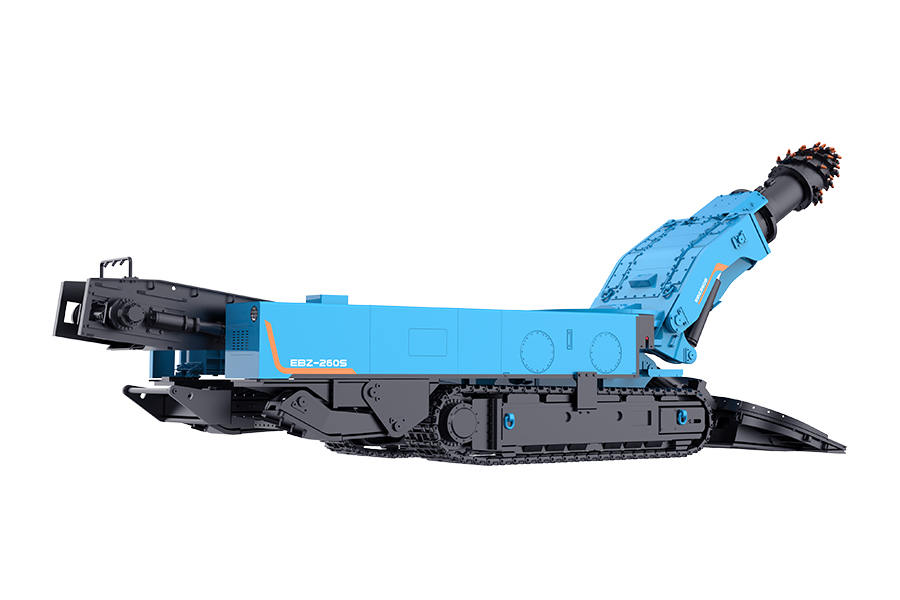
Use the machine image as a visual reference only; verify model, configuration, and included equipment against the supplier’s written specification.
Roadheader For Sale: common errors and practical fixes
Comparing a base price with a delivered package: Ask for a line-item breakdown and align the named delivery point before ranking bids.
Assuming taxes and tariffs are the same across countries: Confirm current destination-specific treatment with a customs broker or authority using the product documentation.
Choosing a machine before checking the ground conditions: Give bidders the available geological data and request written confirmation of the intended operating envelope.
Accepting vague used-machine condition claims: Arrange an independent inspection and record the inspection scope, findings, exclusions, and any repair allowance separately.
Ignoring commissioning and site readiness: Agree who supplies labor, lifting equipment, utilities, and training, and define acceptance and warranty-start conditions.
Using an old exchange rate or expired quote: Record the conversion date and quote validity; request refreshed prices before approval if either has expired.
Treating a brand name as proof of performance: Evaluate the exact model, specification, references that can be checked, warranty wording, and service arrangements. Weishi can be included in a supplier shortlist, but its offer should be evaluated on the same documented criteria as every other bid.
Roadheader For Sale: buyer case and evidence standards
A real buyer case can be useful only when the purchase record, machine specification, destination, delivery scope, and price date can be checked. No independently verifiable buyer quotation or project record was provided for this article, so it does not present an invented customer story or claim a verified purchase price. When a supplier shares a case study, ask for permission to contact the buyer and confirm whether the published figure includes freight, taxes, commissioning, and options. Treat unverified testimonials and unattributed price screenshots as leads, not as market benchmarks.
For your own procurement file, retain the signed quotation, machine serial number where applicable, inspection report, shipping documents, customs assessment, invoices, commissioning record, and acceptance certificate. These documents let your team compare actual acquisition cost with the original estimate and improve the next Roadheader For Sale evaluation.
Roadheader For Sale: final recommendations
Roadheader machine cost varies by configuration, ground conditions, condition, destination, delivery terms, and after-sales scope. There is no defensible country-by-country price table without dated and comparable quotations. Build a landed-cost comparison from the same specification, verify import charges locally, and document installation and support before selecting a supplier. If you are reviewing a Weishi offer or any other Roadheader For Sale, request a model-specific datasheet, itemized quotation, warranty terms, and destination-specific delivery scope before committing.