
Oct.08,2026
Share:
When it comes to underground excavation, project managers are often torn between the two primary methods: the Roadheader Tunneling Machine and traditional Drill and Blast. Each method boasts its advantages and disadvantages, generating common questions among stakeholders. For instance, “Which method is more cost-effective?” or “What’s the time difference in project completion?” Addressing these pain points can significantly enhance your decision-making process in excavation projects, ensuring efficiency and cost savings.
| Parameter | Roadheader Tunneling Machine | Drill and Blast |
|---|---|---|
| Excavation Rate | Achieves up to 120 cubic meters per hour. | Approx. 25 cubic meters per hour. |
| Cost Efficiency | Initial investment of 15-20% higher but reduces duration by 30%. | Lower initial investment, often 20% cheaper than Roadheader but leads to longer project timelines. |
| Noise Level | Average 90 dB, suitable for urban areas. | Can exceed 110 dB, often restricted in populated regions. |
| Material Handling | Direct transport of excavated material. | Requires additional material handling gear. |
The choice between Roadheader and Drill and Blast often depends on the project scenario. For instance, consider a major urban infrastructure project where noise and vibration are critical factors. A project manager overseeing a subway tunnel in New York City faced these concerns firsthand. They opted for a Roadheader over Drill and Blast due to the lower noise levels, allowing continued operations in nearby residential areas, and thus avoiding hefty fines for disruptions. The Roadheader managed to excavate approximately 1,400 meters in just six weeks, which was significant compared to a traditional method that could have taken months.
While the upfront costs for employing a Roadheader Tunneling Machine can be about 15-20% higher than Drill and Blast methods, the potential for long-term savings becomes apparent through reduced project timelines. In urban settings, the risk of delays associated with regulatory approvals due to noise pollution can add further costs, making the seemingly higher investment in a Roadheader a more economically viable option in the long run. Additionally, the labor costs associated with Drill and Blast methods can be significant, often requiring a larger workforce and more extensive safety measures.
User feedback highlights a key advantage of the Roadheader method. In a study conducted by the Underground Construction Association, it was reported that 78% of users preferred Roadheader for projects where rapid completion was essential. A notable case involved a team in Canada that completed a 2-kilometer excavation in record time, ultimately increasing their demand for similar projects due to their demonstrated capability.
For those deciding between these two excavation methods, it's important to consider the unique conditions of your project. Here are a few recommendations:
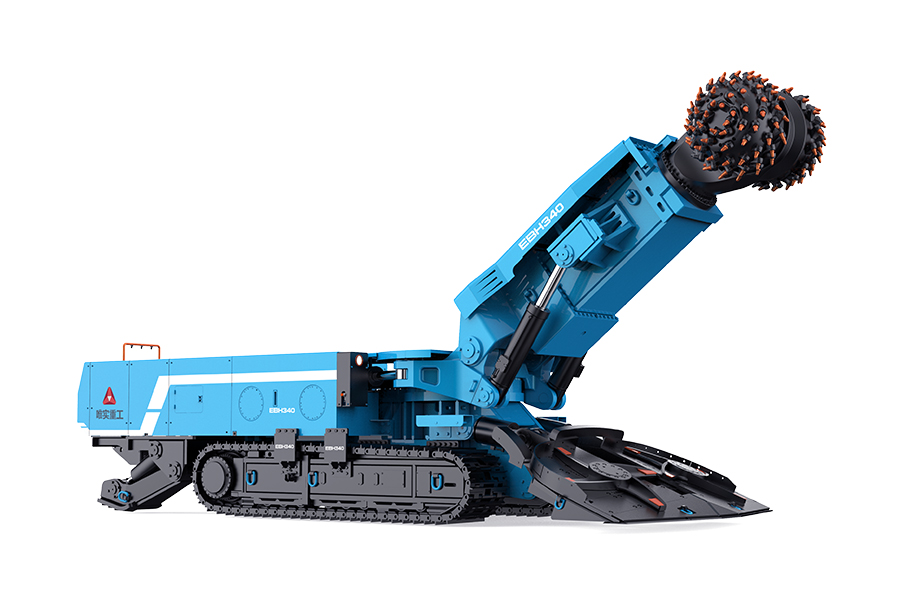 Weishi-global.com/storage/watermark/f_imgs/20260528/ff1daf05cb9c5737228883fa771078f3.jpg" alt="Weishi Roadheader Tunneling Machine" />).
In conclusion, choosing between Roadheader and Drill and Blast methods ultimately hinges on project specifics. Roadheader machines are ideal for quick, cost-effective urban excavations, while Drill and Blast might be preferred in rural or less sensitive environments. Assess your project's parameters, anticipated challenges, and budget to make the best choice.
Ready to move forward with your excavation project? Contact a trusted supplier for Roadheader Tunneling Machines or inquire about excavation methods tailored to your specific needs. Understanding your options will allow you to maximize both efficiency and cost-effectiveness in your endeavors.
Typically, a well-maintained Roadheader can operate effectively for 10-15 years, depending largely on usage and operating conditions.
Complex geological conditions often favor the flexibility of Roadheaders, while simple and stable rock formations may be effectively managed with Drill and Blast.
Yes, many companies offer rental options for Roadheader machines, making them accessible for temporary or short-term projects.
Require More Customized Productsand Technical Advice?
Send over your requirements and we can offer one-stop technical advice and Industry solutions to meet your needs.