
Nov.10,2026
Share:
In underground coal mining, every machine move and unsupported section of roof can affect the work cycle. A Bolter Miner brings cutting and roof-support tasks together in one machine, helping mines plan a more coordinated development cycle. If you are researching what a bolter miner is, comparing an underground bolter miner machine, or looking for ways to improve underground coal mining efficiency, the key is to understand how the equipment fits your geology, mine layout, and ground-control plan.
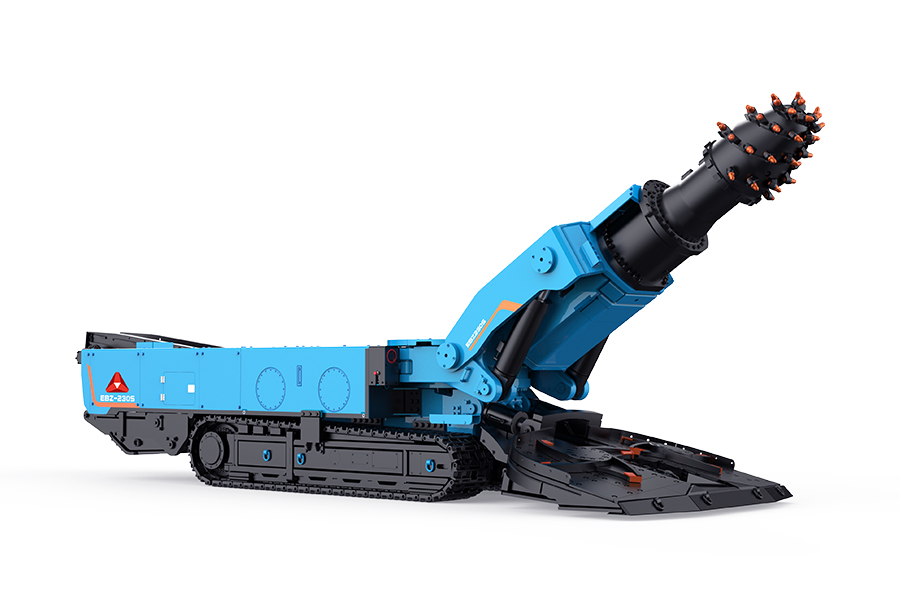
A Bolter Miner is an underground mining machine designed to cut material at the face and install roof bolts to support the mine roof. It is most commonly associated with room-and-pillar coal mining. Depending on its design, it may combine a cutting head, gathering and conveying equipment, and one or more roof-bolting units on a single mobile platform.
The term brings together two mining operations:
A Bolter Miner does not make the roof safe by itself. Bolt type, spacing, length, installation quality, and any additional support must follow the mine’s approved ground-control plan and site conditions. Machine configurations also differ: some can support overlapping cutting and bolting activity, while others complete the tasks in a more sequential cycle.
The exact sequence depends on the machine, mining method, and approved operating procedures. A typical development cycle includes these stages:
The operational benefit comes from coordinating multiple tasks on one platform, not from assuming every task happens at once. Fewer separate machine moves may simplify the cycle, but actual productivity depends on cutting conditions, roof behavior, operator skill, maintenance, ventilation, material handling, and delays elsewhere in the system.
A Bolter Miner can improve the flow of development work in several practical ways:
Do not rely on a general percentage claim to predict results. There is no single productivity gain that applies to every mine. To measure whether a Bolter Miner helps, record a baseline before deployment and compare like-for-like shifts afterward. Useful measures include advance per shift, time spent cutting, time spent bolting, unplanned downtime, maintenance hours, and compliance with the planned support pattern.
Bolter Miners are principally used for underground mine development where a mine’s extraction method and conditions suit a combined cutting-and-bolting machine. Applications may include:
A Bolter Miner is not automatically the right choice for every underground operation. Seam height, roadway dimensions, roof and floor conditions, ventilation, water, abrasiveness, transport limits, and the mine’s support strategy all affect equipment selection.
Roof control is a central part of underground mine safety. In US underground coal mines, 30 CFR § 75.202 requires the roof, face, and ribs of areas where people work or travel to be supported or otherwise controlled to protect miners from falls of the roof, face, or ribs. The regulation is a legal requirement for mines under its scope, not a machine-performance claim.
A Bolter Miner can place roof-bolting equipment close to the development face, but safe use still relies on the mine’s approved ground-control plan, trained workers, equipment inspections, and site procedures. Mines should evaluate roof conditions, verify the specified bolt pattern, keep workers within protected areas, and follow applicable rules for machine operation and maintenance. A machine does not replace ground assessment or the judgment of qualified mine personnel.
For a particular mine, review the applicable regulator’s requirements and the site’s current plans. The US regulation cited here applies to its stated jurisdiction; other countries and mining sectors may have different rules.
Compare machines against the work the mine needs to perform, rather than relying on a headline capacity or a single output figure. Ask equipment suppliers and mine engineers to review:
Ask for machine-specific technical data and references relevant to similar conditions. Validate expected performance with a site assessment or a controlled trial, and agree in advance on how production, downtime, maintenance, and support quality will be measured.
Potential advantages: A combined machine can reduce some equipment movements, connect cutting and roof-support tasks, and make development cycles easier to coordinate. It may also simplify fleet planning where one platform can perform work that would otherwise require separate machines.
Important limitations: The machine requires a suitable mine layout and operating method. Its availability can affect more than one task if it is stopped for maintenance. Ground conditions, operator training, conveyor capacity, ventilation, and the performance of the rest of the mine system can limit production. These factors mean a Bolter Miner should be assessed as part of the whole mining operation, not as a standalone productivity solution.
Not exactly. Both can cut material underground, but a Bolter Miner also incorporates roof-bolting equipment. Machine design and the degree of task integration vary, so compare the specific functions of each model.
Some configurations may allow cutting and bolting activities to overlap in defined positions or stages. Others use a more sequential cycle. Follow the machine manufacturer’s instructions and the mine’s approved procedures rather than assuming simultaneous operation is possible.
Not in every mine. Whether a separate bolter is needed depends on the machine’s capabilities, the ground-control plan, mine conditions, production requirements, and applicable rules. The mine’s engineering and safety teams should make that decision.
Track advance per shift, cycle time by task, equipment availability, downtime causes, maintenance hours, and the quality and completion of planned roof support. Compare periods with similar operating conditions so the results are meaningful.
Do not assume that a coal-oriented Bolter Miner is suitable for hard rock. Equipment capabilities and cutting methods differ. Confirm material suitability, machine configuration, and support requirements with the manufacturer and the mine’s technical team.
Start with the mine plan, ground-control requirements, and a clear record of current development performance. Then compare machine specifications, request a site-specific assessment, and review the operating and maintenance guidance before a purchase or trial. For further information, explore Weishi resources and ask the Weishi team about equipment fit, technical details, and support for your application. These next steps can help you assess an underground Bolter Miner machine using your own site data rather than assumptions.
Require More Customized Productsand Technical Advice?
Send over your requirements and we can offer one-stop technical advice and Industry solutions to meet your needs.