
Nov.25,2026
Share:
When a mine or tunnel development heading advances faster than its roof-support cycle, the gap between excavation and a safely supported roadway can become a serious operational and safety problem. Separate cutting and bolting equipment may require repeated repositioning, coordination between crews, and time spent waiting for the next operation. In weak or changing ground, that delay can increase exposure to unsupported roof, disrupt the production schedule, and raise the cost of every metre driven. This is why more project teams are evaluating the Weishi Roadheader Bolter Machine: an integrated approach designed to coordinate excavation and ground support within one development cycle.
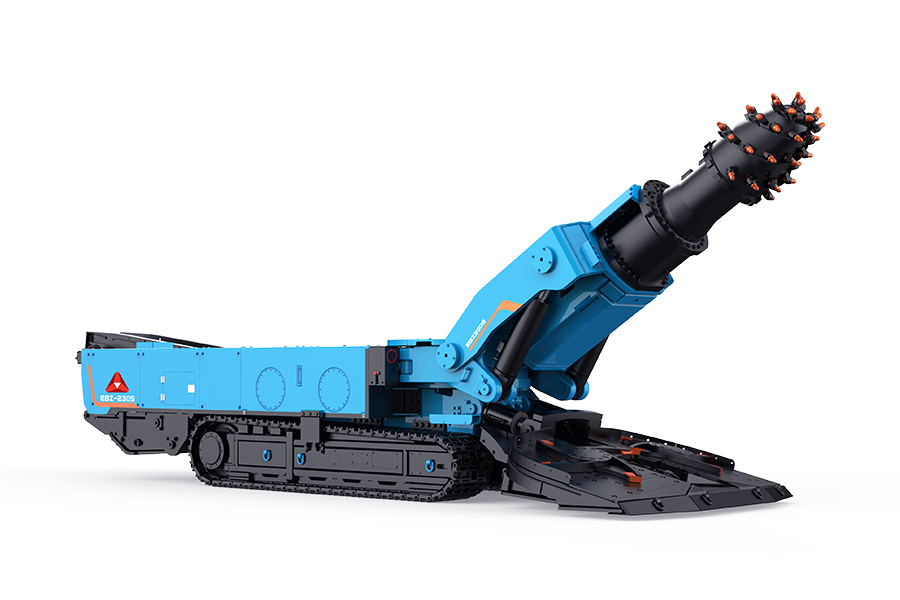
Underground projects face a combination of pressure: tighter production targets, changing geotechnical conditions, skilled-labor constraints, and strict requirements for ground control. A conventional setup can still be suitable, but when cutting and bolting are handled by separate machines, the mine may need to manage additional traffic, equipment moves, and handoffs underground.
A Roadheader Bolter Machine combines a roadheader cutting system with bolting equipment in a single machine platform. Depending on its design and the heading layout, it can allow cutting and support tasks to be organized in a more integrated sequence. The purpose is not simply to add equipment to a roadheader; it is to improve how excavation, roof support, ventilation, services, and haulage fit together.
These factors make an integrated roadheader bolting system worth assessing, particularly where development metres, support timing, and equipment availability directly affect project economics.
The main operational benefit is the potential to bring cutting and rock reinforcement into a more coordinated development cycle. A Roadheader Bolter Machine may reduce some equipment transfers and help crews plan excavation and support around the same working face. Actual performance depends on machine configuration, geology, operator practice, bolt design, and the mine’s ventilation and haulage arrangements.
These are project-level opportunities, not guaranteed outcomes. Before selecting a Weishi Roadheader Bolter Machine, we recommend confirming the machine’s cutting envelope, bolting arrangement, roadway dimensions, bolt length and type, ground conditions, and maintenance access with the supplier and site engineering team.
In underground development, a small delay repeated across many cycles can affect more than the heading schedule. It can influence access to production areas, contractor utilization, ventilation planning, material delivery, and the timing of downstream work. The business case for a Roadheader Bolter Machine should therefore consider the full cost per metre advanced—not only the purchase price.
We suggest comparing at least these measures across the existing and proposed operating methods:
For a mine owner, contractor, or tunneling operator, the relevant question is whether integration improves the total development system while maintaining the required support quality. A higher-capability machine is not automatically more economical if its configuration does not match the heading or if spare parts and service arrangements are inadequate.
To show how project teams can assess the opportunity without relying on unverified performance claims, consider this illustrative calculation. It is a planning example only—not a Weishi case study or a production guarantee.
| Planning item | Separate-equipment scenario | Integrated scenario to evaluate |
|---|---|---|
| Cycles observed | 20 representative shifts | 20 comparable representative shifts |
| Data recorded | Cutting, support, moves, waiting, downtime | The same categories, under comparable conditions |
| Primary comparison | Total productive and nonproductive hours per metre | Total productive and nonproductive hours per metre |
| Decision basis | Baseline cost per metre and support compliance | Measured change in cost per metre and support compliance |
For example, if time studies show that equipment repositioning and handoffs account for 30 minutes in each of 4 daily cycles, the theoretical opportunity is 2 hours per day before accounting for geology, maintenance, or other constraints. That is a calculation from stated assumptions, not a predicted saving. A site trial should record actual cycle times, downtime, bolt installation quality, and metres advanced before a procurement decision is made.
Integration does not replace a mine’s ground-control plan or machinery risk assessment. The machine and its operating procedure must suit the site’s geotechnical design, statutory requirements, and emergency arrangements. We recommend reviewing the following with the manufacturer and the mine’s technical specialists:
Standards apply to particular components, processes, and jurisdictions; they should not be presented as blanket certification of a complete machine. We advise buyers to verify the latest applicable editions and project requirements with qualified engineering and compliance personnel.
A suitable machine is one that matches the full operating envelope—not merely the nominal cutting capacity. Use this checklist during technical evaluation:
Ask the supplier to map each requirement to a documented specification or test. For Weishi equipment, request model-specific drawings, configuration details, operating limits, inspection records, and service terms so your team can assess fit against actual project conditions.
Ignoring repeated delays between excavation and support can leave a project paying for inefficiency shift after shift. Separate equipment may continue to create unnecessary moves and handoffs; alternatively, an unsuitable integrated machine can introduce maintenance bottlenecks or fail to accommodate the required support pattern. In either case, the result may include missed development targets, higher cost per metre, reduced equipment availability, and increased pressure on crews.
Business conditions also change. A project may move from predictable ground into weaker strata, face a tighter delivery schedule, or operate with fewer experienced workers. Equipment selected only for today’s production target can become a constraint when the operating plan changes. The remedy is not to assume that every site needs a bolter roadheader, but to compare current cycle data with the project’s future ground-control and production requirements.
Roadheader bolting machines are gaining attention because they can bring excavation and ground-support operations into a more coordinated system. For the right heading, that integration may reduce equipment movements, simplify cycle planning, and help development teams manage space and labor more effectively. The business case still depends on measured performance, geotechnical fit, maintainability, and compliance with the site’s support design.
At Weishi, we encourage project teams to start with their roadway dimensions, ground conditions, support pattern, and cycle-time data—not a generic output promise. Evaluate the Roadheader Bolter Machine through a model-specific technical review, a documented acceptance plan, and, where practical, a measured site trial. Taking those steps helps buyers choose equipment on evidence and gives underground projects a clearer path to safe, dependable development.
Require More Customized Productsand Technical Advice?
Send over your requirements and we can offer one-stop technical advice and Industry solutions to meet your needs.